
Sod Installation & Lawn Care That Roots Right
A new lawn starts under the surface. We start with the unglamorous work of final grading, soil prep and drainage correction, then lay fresh sod that roots evenly and looks finished from day one. Aeration, overseeding and seasonal care available too.
Request a free estimate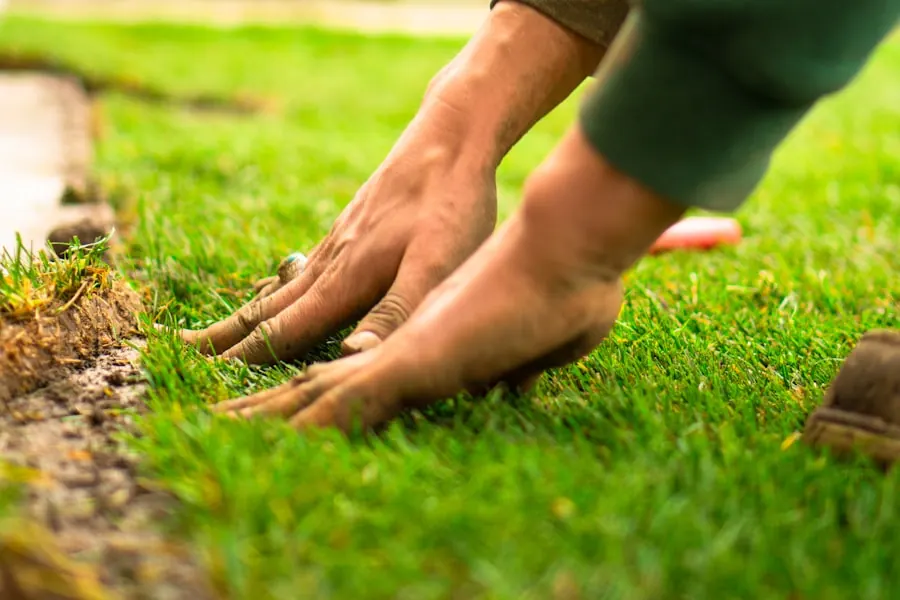
- Final grading & soil preparation
- Fresh sod installation (Bermuda, Fescue, Zoysia)
- Lawn aeration & overseeding
- Mulch installation & bed refresh
- Tree & shrub pruning
- Top soil & fertilization recommendations
- Patchy, weedy or thinning lawn
- Bare areas after construction or tree removal
- Uneven yard with low spots and mowing issues
- Compacted soil that won't grow grass
Four steps from the first visit to the finished work.
- 01
Consult
We visit your property, listen to how you want to use the space and take measurements.
- 02
Design
You get a clear plan and a written quote covering materials, layout, drainage, timing and price.
- 03
Build
Our in-house crew prepares the site, installs hardscape and softscape, and cleans up daily.
- 04
Maintain
If you want, we come back each season for aeration, fresh mulch and irrigation tuning to keep it looking new.
Fescue or bermuda: the choice that decides everything after it
Iredell County sits in the transition zone, the strip of the country where neither cool-season nor warm-season grass is fully at home. That is why lawn advice from a national website so often fails here. Two grasses work, and they want opposite things.
- Tall fescue. Green from autumn through spring, handles shade, and is what most Lake Norman lawns are. It thins in a hot August and needs overseeding most falls. Installed as sod it runs about $0.75 to $1.30 per square foot.
- Bermuda. Loves full sun and heat, spreads to repair itself, and goes dormant brown from roughly November to April. If a winter-brown lawn bothers you, say so before we quote, because that is the whole trade.
- Zoysia. Dense, handles some shade, browns in winter like bermuda but more slowly. Costs more and establishes slower, and on the right lot it is the best lawn of the three.
Shade is usually the deciding factor. Under mature hardwoods, bermuda will fail no matter how well it is installed, and no one should sell it to you there. We would rather tell you that at the estimate than replace it next year.
Sod laid on unprepared clay is a two-month lawn
Sod is a living thing that has to root into what is underneath, and it will only do that if the ground is ready. The failures we get called to repair are almost always the same story: the old lawn was scalped, pallets were laid on compacted clay, and it looked perfect for six weeks before it went patchy.
Proper preparation means killing what is there and removing the debris, tilling the top few inches so roots have somewhere to go, amending compacted clay with compost, grading so the surface drains and sits slightly below driveways and walks, and rolling to firm it. Then sod goes down within a day of delivery, seams staggered and tight, and gets rolled and watered immediately.
A pallet left in the sun for two days is already dying when it is laid, so we time the delivery to the install.
How you water in weeks one to four decides whether it takes
New sod needs to stay damp, not soaked, and the schedule changes every week. For the first week, water daily and keep the soil under the sod moist. Lift a corner and check rather than guessing from the surface. Weeks two and three, back off to every other day and water longer, which pulls roots downward. From week four, move to two or three deeper soakings a week.
Stay off it for two weeks, and delay the first mow until the sod does not lift when you tug a corner, usually around fourteen days. Cut high, three to four inches for fescue, and never remove more than a third of the blade at once. Most new-sod failures we are asked to look at are watering failures, not sod failures.
When to install, and why autumn wins for fescue
Fescue goes down best from September to early November. The soil is still warm enough to root, the air is cooling, and the lawn gets a full autumn, winter and spring to establish before it faces its first Carolina August. Spring installation works but gives the lawn only a few weeks before heat arrives, which means far more watering and more risk.
Bermuda is the reverse: late spring through summer, when it is actively growing. Sod can be installed nearly year-round here, but installing against the season means more water, more cost and a thinner result. If the calendar allows waiting six weeks for the right window, that is usually the better advice and we will give it.
Want a lawn that looks new from day one? Let's grade and sod it right.
We'll walk the property, ask how you want to use it, and follow up with a written quote that lays out scope, materials and price. We won't push extras you didn't ask for.
Get Your Free Sod & Lawn Care Estimate
Tell us about your project and a local LAP Landscaping crew member replies quickly with a clear plan and an honest price, with no pressure and no obligation.
Form not loading? Call 704-327-5663.